Street Photography Anxiety? Avoid These 9 Mistakes
Street photography can feel like walking a tightrope between art and anxiety. One moment, the light is perfect, the scene is unfolding beautifully, and our finger hovers over the shutter. The next moment, doubt creeps in, fear takes over, and the moment is gone. If this sounds familiar, we're not alone. The streets are full of incredible stories waiting to be captured, but too often, we let common mistakes get in the way of creating the photos we envision.
Whether we're just starting out or have been photographing streets for years, certain patterns can quietly sabotage our work. Some mistakes stem from anxiety and overthinking. Others come from technical habits we picked up along the way. And a few cross ethical lines we should never approach. Understanding these pitfalls can transform how we see, move through, and capture the world around us.
Let's walk through nine mistakes that might be holding us back, organized by experience level, so we can recognize them in our own work and make meaningful changes.
Three Mistakes for Beginners Just Starting Out
Letting Fear Be Our Director
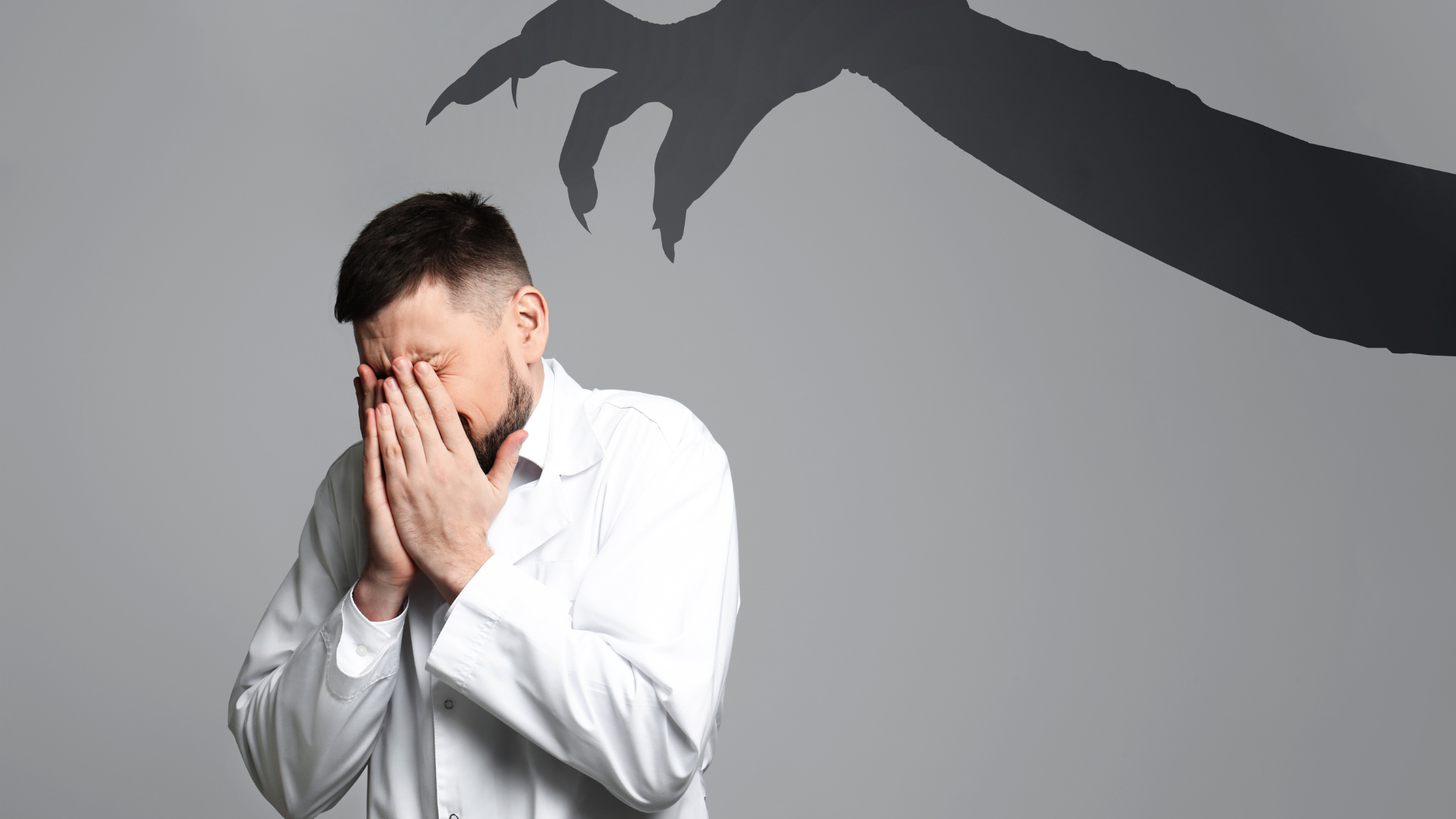
This one hits hard because most of us have been there. Anxiety doesn't just make us nervous, it actually controls where we point the camera. We hide behind poles, we wait too long and miss the moment, or we take endless photos of people's backs because facing someone directly feels too vulnerable. When fear runs the show, we come home with a memory card full of images that don't excite us, and we feel like we failed.
Photos of people walking away aren't inherently bad. Some of our favorite images might feature anonymous figures moving through urban landscapes. But there's a difference between an intentional artistic choice and a fear-driven default. We can feel it in our gut when we're shooting from anxiety rather than intention.
The solution involves desensitizing ourselves through deliberate practice. Start in really busy places like street festivals, farmers markets, or crowded public events. This might seem counterintuitive because we're heading straight into more people when we want to avoid them. But in large crowds, we become just another person with a camera. There are likely dozens of others doing the same thing, which makes blending in easier. Anonymity within chaos can actually feel less exposing than standing on a quiet street corner.
Here's a small tip that makes a big difference: when practicing in crowds, focus on photographing happy people first. Someone enjoying live music, laughing with friends, or celebrating at a festival is far less likely to react negatively. The goal isn't to create a masterpiece right away. The goal is simply to practice raising our camera and pressing the shutter when other humans are nearby. Building that muscle memory in lower-stakes environments helps us feel more confident when quieter, more intimate moments present themselves.
The Run and Gun Trap
Speed feels productive. Move faster, cover more ground, see more things, take more pictures. The logic makes sense on paper, but rushing through streets often produces the opposite result. When we move too quickly, we become passive observers hoping to get lucky by chance. Our senses dull, our awareness narrows, and we miss the subtle stories unfolding in doorways, at bus stops, and in the glances between strangers.
The fix is beautifully simple: slow down. Actually slow down. This approach leans into one of our greatest strengths as introverts, which is observation. Instead of hunting for photos, we can find a location with interesting light, a compelling background, or a steady flow of people, and simply plant ourselves there. Let the world come to us instead of chasing it.
Becoming part of the scenery changes everything. When we stay in one spot long enough, people stop noticing us. We start recognizing patterns. We see moments building before they happen. A vendor arranging fruit in a certain way. A couple about to share a laugh. A child running toward a puddle. Patience rewards us with anticipation, and anticipation leads to better timing.
Taking Photos from the Safe Zone
This mistake is a direct symptom of our introverted need for a buffer zone. We attach a long lens and try to snipe shots from across the street, keeping a safe distance that leaves our subjects tiny and disconnected in the frame. Sure, we can crop later, but unless we're working with a high-megapixel sensor, we'll sacrifice image quality and still won't achieve the intimacy we're after.
If our photos feel distant, it's probably because they are. The solution is to get closer, but we don't have to do it all at once. Most kit lenses are zoom lenses, which gives us a gradual path forward. If we're using an 18 to 50 millimeter lens, start at 50 millimeters. Once that feels comfortable, try 35 millimeters. Then 24 millimeters. Eventually, work toward the wider end of the range. Watch out for distortion at the extreme wide end, but embrace how wider focal lengths force us to physically move closer and become part of the scene.
Busy places remain our best friend here. In crowds, personal space naturally shrinks. Getting closer feels less intrusive when everyone is already close to everyone else. Here's something worth remembering: trying to be sneaky from far away can actually make us look more suspicious than confidently being part of the action. Own our presence. Smile. Get in the mix.
Three Mistakes for More Experienced Photographers
Viewfinder Tunnel Vision
Once we've been photographing streets for a while, we develop speed and muscle memory. We see a shot, raise the camera to our eye, and click. But if this becomes pure autopilot, we might be making a critical mistake. We spend so much time looking through that tiny rectangle of the viewfinder that we're not looking at the world around us anymore.
Locking onto a main subject so intensely can make us blind to everything else happening in the frame. We might miss a person about to walk into the scene who would elevate the image from good to exceptional. Or we might not notice distracting elements that will ruin the composition until we review the photo later.
The trick involves using our eyes as the primary viewfinder. Try practicing zone focusing. Set the aperture to something like f/8, which gives us a deeper depth of field and more of the scene in acceptable sharpness. This frees us from needing to glue our eye to the camera to nail focus. We can observe the scene with both eyes, compose mentally, and only bring the camera up for a split second when the decisive moment arrives. Some photographers even work from the hip, composing with their eyes and trusting their framing without looking through the viewfinder at all.
Forgetting the Full Story
As observers who love details, we can fall into the trap of obsessing over isolating subjects. We find an interesting character and immediately open the aperture as wide as possible, obliterating the background into a blurry wash. The result might be a technically fine portrait, but it often lacks the context that makes street photography compelling.
Overusing shallow depth of field can become a crutch for weak composition. Yes, it isolates the subject, but it also strips away the sense of place and story. In street photography, the environment is a character too. We should ask ourselves what the background is doing. Are there elements in the foreground that create depth without needing to adjust the aperture? Can we find interesting juxtapositions between different elements to tell a more layered story?
Instead of thinking portrait, think scenes. Think moments happening within a larger context. Leave space for viewers to wonder why people are doing what they're doing. Look for relationships between elements that wouldn't be obvious in isolation. Great street photographs usually have more than one thing going on.
The Low ISO Obsession
This technical mistake often comes from our desire for control and perfectionism. We've been taught through countless tutorials to keep ISO as low as possible for the cleanest image. But on the street, light changes in a split second. Being rigid about keeping ISO low can limit us into getting bad photos or missing shots entirely.
Why? Because when we refuse to raise ISO, our shutter speed drops. Suddenly we're dealing with motion blur we don't want because we can't freeze action anymore. For most street photography, fast shutter speeds are essential. Unless we're intentionally doing long exposure work, we need to prioritize stopping motion over minimizing noise.
A good default is shooting at least 1 over 250th of a second to freeze movement. Keep the aperture somewhere between f/4 and f/8. And here's the game changer: use auto ISO with a ceiling. Set a maximum of 3200 or 6400 depending on how our camera handles noise. Modern sensors handle high ISO remarkably well. And honestly, a little grain is perfectly acceptable. A grainy photo is infinitely better than a missed moment. Prioritize getting the image over some dogmatic quest for technical perfection.
Three Mistakes to Never Make Regardless of Experience
Photographing People Visibly in Distress
This is an ironclad rule. Never target someone who's clearly having a terrible time. People experiencing homelessness, individuals with visible disabilities, anyone in a position where photographing them feels like taking advantage. This isn't edgy photography. It's exploitative, and it doesn't sit right.
Similarly, avoid photographing people who are visibly angry. Someone in that emotional state is not in a place to be our subject, and they're far more likely to lash out. The confrontation isn't worth it, and more importantly, it's simply not the right thing to do.
The solution here is straightforward: don't do it. Read the room. Our right to photograph in public spaces doesn't cancel out our responsibility to be decent human beings. Photography is powerful, and with that power comes the obligation to use it thoughtfully.
Freezing or Acting Guilty When Confronted
For introverts, confrontation can feel like the ultimate nightmare scenario. But sooner or later, someone will notice us and ask if we just took their picture. The worst possible response is giving in to instinct, freezing up, yanking the camera down, and looking like we just got caught doing something wrong. That body language screams guilt and will escalate the situation.
The right approach is staying calm and confident. Don't lower the camera. Own the situation. A useful technique is keeping the camera to our eye and pretending we're photographing something behind them. Often, people will assume they were mistaken and move on. If they press further, smile. Smiles are disarming. Be honest. Say something like, "Hey, taking some photos of the street today, documenting the city. You looked great in this scene."
Sometimes people want to see the photo or ask us to send it to them. Be polite and professional. If they're still upset, offer to delete the image. This isn't weakness. It's respect. And it's usually the fastest way to de-escalate.
The Big Gear Sneak Attack
This final mistake is part technical error and part ethical violation. It happens when someone goes out with an intimidating camera and massive zoom lens to secretly photograph people, especially those in vulnerable situations. This approach contradicts everything that makes street photography powerful for introverts: the fact that it can be quiet, respectful, and observational.
The solution has two parts. First, choose gear with intention. Small cameras like the Ricoh GRIII, Ricoh GRIV or Fujifilm X100 are discreet enough to not scream "photographer." Even our phones work great, though sometimes they can be more conspicuous than cameras. If using a larger camera system, consider a pancake lens that keeps the profile compact and pocketable. I’ve used the Sony a6700 with a 24mm Sony lens without problem.
Second, define our own ethical code. Before pressing the shutter, ask why we're taking this photo. What story are we trying to tell? Are we honoring the person in the frame or exploiting them? Our camera is a tool, but the ethical choices come entirely from us. Create with compassion and respect.
Moving Forward with Intention
Street photography challenges us in ways few other creative pursuits do. It asks us to navigate anxiety, technical decisions, and ethical considerations all at once. But when we recognize these common mistakes and actively work to avoid them, something shifts. We move through the world with more confidence. We see more clearly. We create with greater intention.
The streets are waiting with their endless stories. Now we're better equipped to capture them thoughtfully, authentically, and without the mistakes that once held us back.
