10 Research-Backed Photography Habits That Actually Work (No Gear Required)
Scrolling through gear reviews hoping the next lens will magically improve our photography? We've all been there. The truth is, better photography doesn't come from better equipment. It comes from better habits.
These aren't trendy tips that sound inspiring but fall apart in practice. Every habit we're covering today is backed by research and field-tested by photographers who balance creative work with demanding careers. We don't have time for advice that doesn't work.
Here's what makes this approach different: one of these habits will feel completely counterintuitive, maybe even wrong. But it's the foundation that makes everything else possible. We're saving it for the end because once we understand why it works, everything clicks into place.
Let's dive into the first nine habits.
Habit One: Shoot in the Same Location Multiple Times
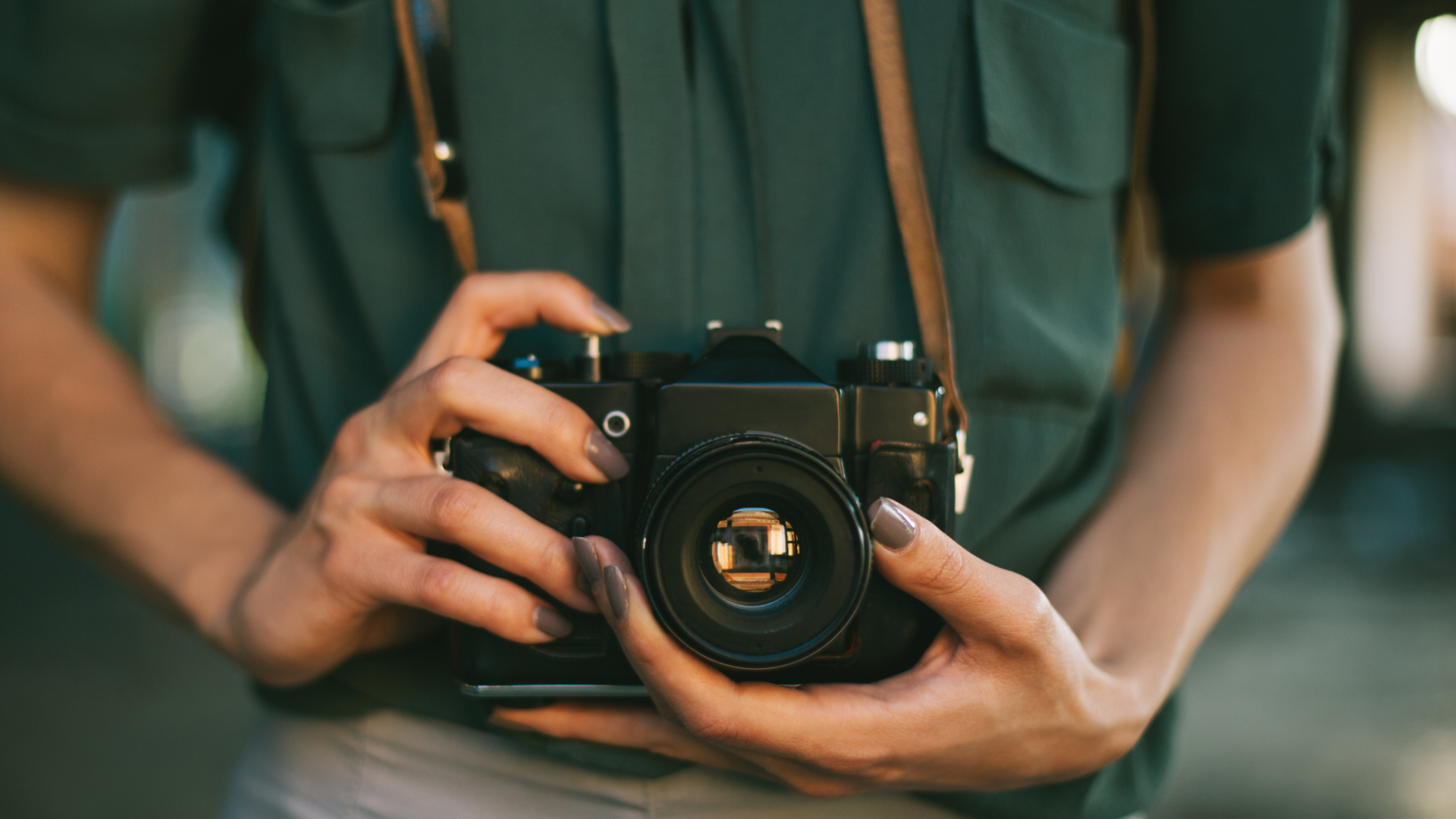
This sounds boring at first. Why would we intentionally limit ourselves to one location when there's a whole world to explore?
Because constraints enhance creative output. Researchers published a comprehensive review in the Journal of Management demonstrating that when we eliminate variables like location, our brains shift from exploration mode to observation mode. We stop searching for the next interesting place and start actually seeing what's in front of us.
We notice how shadows move throughout the day. We find angles we missed the first three times we shot there. We discover that the "boring" parking garage near our office has incredible textures when lit from the right direction at 7 AM.
Photography isn't about finding the perfect spot. It's about learning to see what's already there.
Try this: pick one location and commit to shooting it once a week for a month. Bonus points if we shoot at different times of day. The constraint will force creativity we didn't know we had.
Habit Two: Review Work the Next Day, Not Immediately
We've all done this. Finish a shoot, import everything into Lightroom, and immediately start reviewing while still buzzing with adrenaline. Terrible approach.
When we're too close to the work, we can't see it objectively. We fall in love with shots because we remember the effort it took to get them, not because they're actually strong images.
Research on Construal Level Theory demonstrates that temporal distance improves decision-making by reducing emotional bias. The further we are from an event, the more objectively we can evaluate it.
Give ourselves at least twenty-four hours before the first review. Yes, be flexible if we're under a deadline. But whenever possible, create that emotional distance.
We'll delete half of what we thought was brilliant. We'll discover images we almost overlooked. The clarity is worth the wait.
Habit Three: Limit to One Lens Per Shoot
Photography legend Henri Cartier-Bresson shot almost his entire career on a fifty-millimeter lens. Not because he couldn't afford others, but because limitations breed mastery.
When we eliminate choice, we stop thinking about gear and start thinking about composition, movement, and timing. Similar to the location limitation, we learn to work with what we have instead of reaching for a different lens every time the shot gets challenging.
Pick one lens before leaving. Zoom lenses count, but here's the challenge: choose a focal length at the start and commit to it. Don't touch that zoom ring.
Our spatial awareness will develop faster than we'd expect. We'll start pre-visualizing shots before raising the camera to our eye.
Habit Four: Create a Shot List Before Every Session

This habit is especially useful for client work, but it works for more spontaneous photography like street shooting too.
Walking into a shoot without a plan means relying entirely on inspiration showing up. Inspiration is unreliable when we only have limited time to shoot.
Goal-setting significantly improves performance across domains. Specific goals outperform vague intentions every time. So spend a few minutes before each session writing down five to eight specific shots we want to capture.
Not vague ideas like "cool portraits." Be concrete: "subject backlit by window, focused on hands" or "wide shot showing environment context, subject in lower third."
This pre-work primes our brain. Even if we don't get every shot on the list, we'll be more intentional with everything we capture. Plus, when unexpected inspiration does hit, we'll have mental bandwidth to chase it.
Habit Five: Study One Photographer Per Month, Deeply
We scroll through feeds seeing thousands of images daily. That shallow consumption doesn't improve our work. It just creates noise.
Instead, pick one photographer each month and study them thoroughly. Not just their popular work but their entire catalog. Read interviews. Watch documentaries if they exist. Understand their creative philosophy, their technical approach, their career decisions.
This isn't about copying style. It's about understanding decision-making processes. Why did they choose that angle? Why black and white for this series but color for that one? What were they trying to communicate?
The focused immersion changes how we see. We start noticing patterns in our own work we never recognized before.
Habit Six: Shoot in Manual Mode, Even When It's Inconvenient
And yes, we've talked about not using manual mode in another blog post, which we can check here. But if we want to deeply understand exposure, we need to work with manual mode until it becomes second nature.
Scientists call this "desirable difficulty," which demonstrates that increased cognitive load during learning leads to better long-term retention and skill transfer.
Make ourselves work harder now so it becomes effortless later. Set the camera to full manual for thirty days. We'll miss shots. We'll get frustrated. But after that period, we'll understand light in ways that auto mode can't teach.
We'll start seeing a scene and instinctively knowing it's a 1/250, f/2.8, ISO 400 situation before even looking at the camera.
Habit Seven: Delete Aggressively and Often
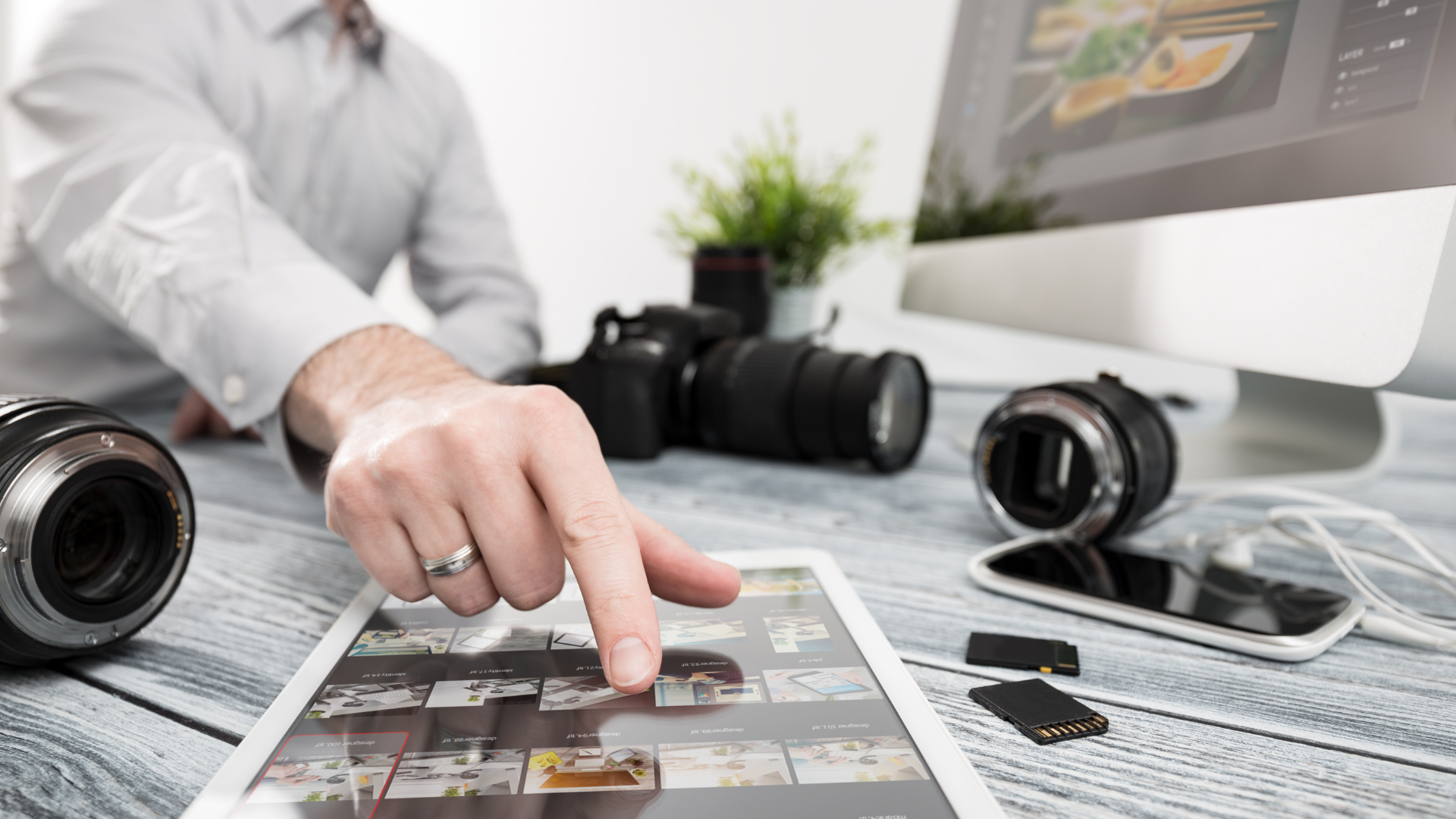
We're terrified of deleting images. What if we need them later? What if we're wrong about which ones are good?
That fear keeps us drowning in mediocre work. If we shoot a hundred images and only five are portfolio-worthy, the other ninety-five are clutter making it harder to see our best work.
Our massive photo library isn't an asset if we can't find our strongest images. After every shoot, review and delete. Be ruthless as we mentioned in another post about editing photos faster. If an image doesn't make us feel something or doesn't serve a clear purpose, it's gone.
Our portfolio should be a greatest hits album, not everything we've ever shot. Quality always beats quantity.
Habit Eight: Shoot During Terrible Light Conditions on Purpose
We're still under the umbrella of adding limitations to improve. Golden hour is beautiful, but it's also a crutch.
We wait for perfect conditions and then wonder why our skills plateau. Some of the most compelling photographs happen in harsh midday sun, flat overcast skies, or dimly lit environments.
These challenging conditions force problem-solving. We learn to find or create interesting light when nature isn't cooperating.
Schedule a shoot specifically during difficult lighting. Noon on a cloudless day. Overcast and gray. Dim artificial lighting. Make it work anyway.
We'll develop technical skills and creative solutions that photographers who only shoot during magic hour will never discover. The struggle builds capability.
Habit Nine: Print Work, Even If Nobody Sees It
The harsh truth is that digital photography has made us lazy. We shoot thousands of images that live on hard drives and never leave the screen.
But there's something about holding a physical print that changes our relationship with our work. Colors look different. Flaws become obvious. Compositions reveal strengths and weaknesses we couldn't see on a monitor.
Physical media creates deeper cognitive engagement and more careful observation. And we don't need an expensive printer. As we mentioned in a post about printing, we can either order cheap prints online or go to our local photo store. Start with our five best images from last month. Put them on the wall. Live with them.
We'll learn more from one week of seeing our printed work daily than from scrolling through Lightroom catalogs occasionally.
Habit Ten: Show Up Even When We Don't Feel Like It
This is the counterintuitive habit we mentioned at the start. Every habit before this one assumes we're actually shooting. But here's the reality: sometimes we don't have a consistency problem because we lack motivation. We have a consistency problem because we wait for motivation to show up.
It never does reliably.
Psychologists at University College London published research showing it takes an average of sixty-six days for a behavior to become automatic. Sixty-six days of consistent repetition. That means we need to show up even on days when inspiration is nowhere to be found. Especially on those days. Because habits are built on repetition despite how we feel.
Schedule non-negotiable shooting time weekly. Put it on the calendar like a work meeting. Some weeks we won't feel inspired. Shoot anyway. Some weeks the weather will be terrible. Shoot anyway. Some weeks we'll think we have nothing new to photograph. Shoot anyway.
The resistance we feel is exactly why this habit matters more than all the others. Constraints breed creativity. Temporal distance improves judgment. Manual mode builds understanding. But none of that matters if we're not consistently practicing.
Systems beat motivation every single time. Motivation is fleeting. Systems are permanent.
The photographers creating work that actually matters aren't more talented or more inspired. They've simply removed the decision of whether to show up. They show up, and then they let the other nine habits guide what happens next.
That's the secret. There is no secret. Just consistent action compounding over time.
Building Systems That Actually Work
These ten habits aren't about transformation overnight. They're about incremental improvement that compounds over months and years.
Pick one habit. Just one. Master it this month. Then add another. The photographer we want to become is built one habit at a time.
Now, if we're committing to these habits and want to know how to plan our upcoming photography year so that it is the best one yet, then we suggest checking this post: where we build a system with free resources to download to make that happen.
The best time to start was yesterday. The second best time is right now. Pick one habit from this list and commit to it for the next thirty days. Then come back and let us know how it changed our approach to photography.
Because that's what these habits do. They don't just improve our technical skills. They change how we see, how we work, and ultimately, what we create.