5 Upgrades That Actually Fixed the Fujifilm X100VI for Travel
The Fujifilm X100VI has earned its reputation. It is compact, beautiful, and produces stunning images with its 40.2-megapixel sensor and iconic film simulations. But after traveling with it daily, capturing with it from morning light to late-night streets, one thing became clear: a few small upgrades made a massive difference between a camera we liked and one we genuinely loved using.
None of these changes are dramatic. None of them require spending a fortune. But together, they solve the real-world friction points that the spec sheet never mentions. Let us walk through all five.
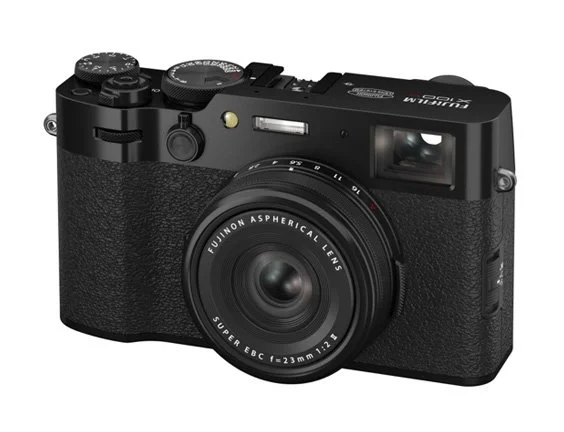
A Strap System Built for Real Life
The first issue shows up within hours of leaving home: how are we actually going to carry this thing all day?
The included Fujifilm strap works. It is functional in the same way that a hotel pillow is functional. After a few hours of walking, it digs into the neck, gets in the way, and makes swapping between a wrist carry and a neck carry an exercise in frustration. The attachment system involves small clips and rings that are genuinely annoying to deal with in the middle of a busy street.
The upgrade that changes everything is the Peak Design anchor system paired with their Slide strap. The core idea is simple: small, durable anchor links attach to the camera's strap lugs, and from that point forward, any Peak Design strap clips on and off instantly. No tools, no wrestling with hardware.
The Slide strap is wider and padded, which distributes the camera's weight across the shoulder in a way that makes it easy to forget we are wearing it. For a full travel day where the camera is on us constantly, comfort is not a luxury. It is a functional requirement. The anchor system also works on other gear like pouches and bags, making it a versatile investment beyond just this one camera.
Unlocking the Weather Resistance the X100VI Almost Has
Here is something that does not get mentioned enough: the X100VI is weather-resistant in body, but not fully sealed out of the box. The lens barrel extends and retracts to focus, and that movement creates a gap between the lens and the body. Dust and moisture can enter through that gap, which is a genuine concern for a camera marketed toward travel and street photography.
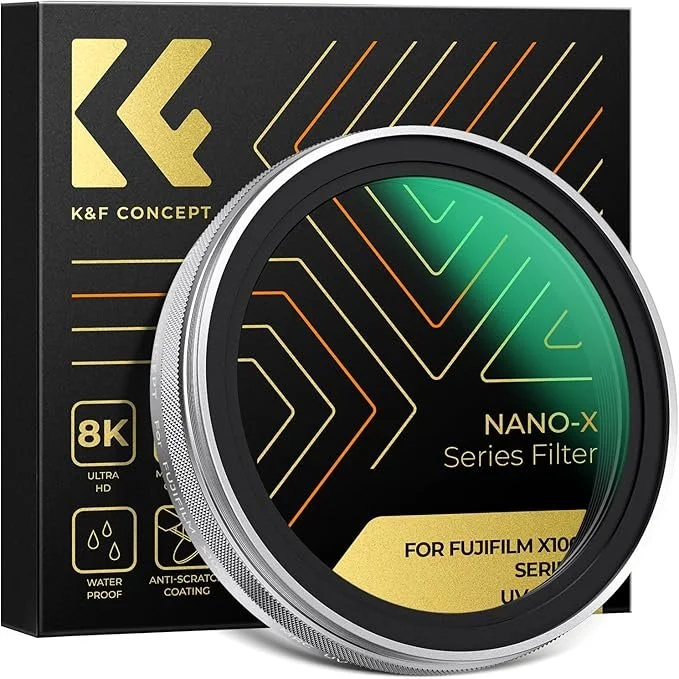
The fix is straightforward. Swapping out the default ring for a quality UV filter closes that gap and completes the weather seal. The official Fujifilm adapter kit does this job, but it comes at a premium price. A more cost-effective alternative is the K&F Concept UV filter, which provides the same protection without compromising image quality. The glass is high-grade and has no visible impact on the final image.
Beyond weather sealing, this filter also protects the front lens element from scratches and fingerprints, which matters a lot when we are pulling the camera in and out of bags all day. An added bonus: the K&F Concept filter uses a magnetic front ring, which opens up a much easier system for adding creative filters on the go. More on that shortly.
The Thumb Grip That Changes How the Camera Feels
The X100VI's compact size is one of its greatest strengths. It fits in a jacket pocket, slips into a small bag, and never draws much attention on the street. But that small size comes with a real ergonomic trade-off. Holding the camera for extended periods, especially one-handed, can feel unstable and lead to hand fatigue after a few hours.
The solution is a thumb grip, and it is one of those upgrades that feels almost too simple until we actually try it. A small metal piece slides into the hot shoe on top of the camera and gives the thumb a firm, natural resting point. The SmallRig thumb grip is a reliable option that also includes a button cover as part of the package.
With the thumb grip installed, one-handed operation becomes noticeably more confident. Reaching for dials, tilting the screen for low-angle compositions, and navigating menus all feel more controlled. For travel, where we are often managing a bag, a map, or a coffee in the other hand, that added stability is not a small thing. It genuinely changes how we interact with the camera throughout the day.
A Magnetic Black Mist Filter for the Cinematic Travel Look
This one is less about protection and more about creativity, and it might be the most enjoyable upgrade on the list.
The X100VI's 40.2-megapixel sensor is incredibly sharp. Sometimes, though, that sharpness works against the feeling we are trying to capture when traveling. Images can look almost too clean, too precise, too digital. When the goal is to evoke a place rather than document it with clinical accuracy, that hyper-sharpness can get in the way.
A black mist filter addresses this by introducing subtle diffusion. It softens the edges of highlights, lifts the shadows slightly, and adds a gentle glow around light sources. The result is a softer, more cinematic look that pairs beautifully with Fujifilm's film simulations. Classic Chrome and Nostalgic Negative in particular become even more expressive with a 1/4 strength black mist filter in front of the lens.
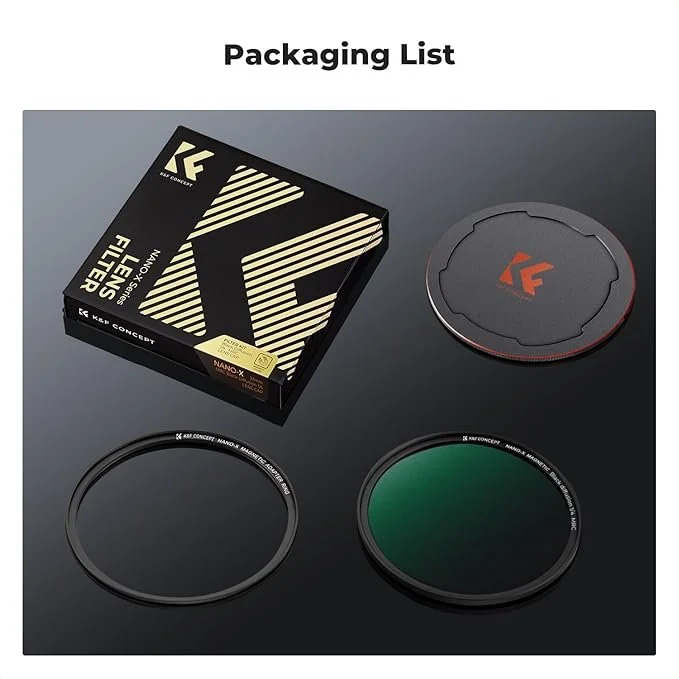
The K&F Concept Magnetic Black Mist Filter makes this practical for travel. Because the UV filter already has a magnetic adapter ring built in, snapping the black mist filter on or off takes about one second. There is no twisting, no fumbling, no interrupting the flow of a walk through a new neighborhood. It goes on for golden hour street scenes and comes off when the light changes. Using this filter also reduces the need to lean heavily on the clarity setting in film simulation recipes, which can slow down the picture-taking experience.
Pairing this filter with a thoughtful film simulation produces images that feel finished without any post-processing. For busy creatives who want great results without spending time in Lightroom, that is a meaningful win.
The Screen Protector Nobody Talks About
The last upgrade is the least glamorous and arguably the most important.
The X100VI's tilting LCD screen is central to how we use the camera. It is how we compose, review images, navigate menus, and adjust settings. It is also completely exposed and sits flush against the back of a camera that is going in and out of bags, pockets, and backpacks dozens of times a day.
Scratches on that screen are permanent. They are distracting when composing, and they reduce the camera's resale value significantly. All it takes is one moment of the screen rubbing against a zipper or a set of keys to leave a mark that never goes away.
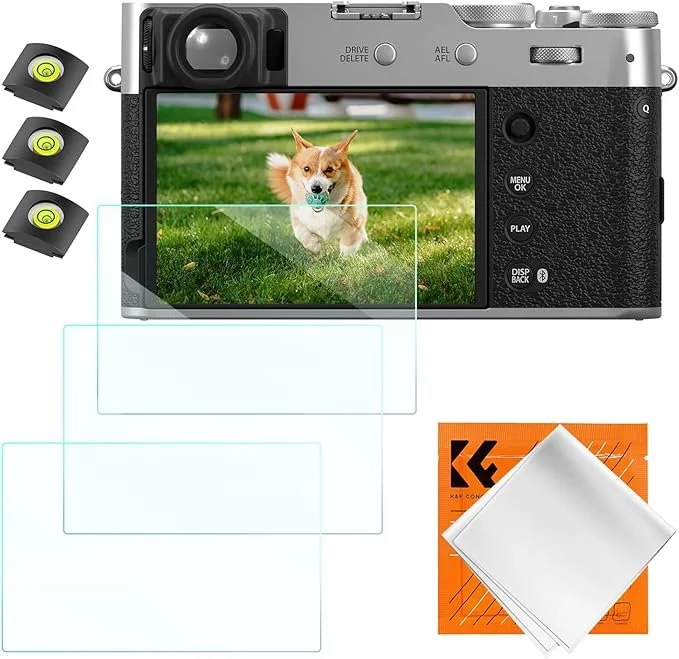
A tempered glass screen protector eliminates that risk for a few dollars. It adds no noticeable thickness, does not interfere with touch sensitivity, and includes an anti-fingerprint coating that keeps the screen clean. Application is straightforward and leaves no residue if it ever needs to be replaced.
This is the first thing we put on any new camera. It is the cheapest insurance available for one of the most used and most fragile parts of the entire system. There is no logical reason to skip it.
One additional note: the bottom of the X100VI is made from a different material than the top plate and is more prone to surface scratches. Some photographers add leather wraps or base plates for protection, though these do add bulk to a camera where compactness is a core feature. For now, leaving the bottom unprotected and monitoring wear over time is a reasonable approach, especially when the UV filter already adds some size to the front.
Why These Five Upgrades Work Together
What makes this particular set of upgrades effective is that each one addresses a different layer of the travel photography experience. The strap handles how we carry the camera. The UV filter handles weather and lens protection. The thumb grip handles ergonomics and control. The black mist filter handles creative output. The screen protector handles long-term care.
None of them change what the X100VI fundamentally is. They just remove the small friction points that accumulate over a long travel day and turn a camera we appreciate into one we genuinely rely on.
The X100VI is already an exceptional travel camera. With these five changes, it becomes the one we reach for without thinking, every single time we step out the door.