Why Your Photos Feel Off (And How to Fix It)
Developing a photographic style is one of those things that sounds straightforward until we actually try to do it. We scroll through Instagram, we see photographers whose work is instantly recognizable, and we wonder how they got there. The honest answer is that they did not wake up with a style. They built one, through a deliberate process of observation, experimentation, and consistency. In this post, we are going to walk through a four-step framework that does exactly that.
Step 1: Become a Visual Detective

Before we can define our style, we need to understand what we are actually drawn to. And the most reliable way to do that is not to think about it, but to collect evidence. This is where a visual diary or mood board comes in.
The tool does not matter. Pinterest works well for this. So does Instagram's save feature, a private account used only for gathering references, or a simple folder on a computer. What matters is having one consistent place to dump everything that makes us stop. The rule is simple: if an image creates a feeling, it goes in. No second-guessing.
One important note here: we should not limit ourselves to photography. Paintings, film stills, design work, architecture, even our own past photos that we are proud of, all of it belongs. The goal is not to build a reference library of photographers to copy. It is to reverse-engineer our own taste.
After a week or two of collecting without overthinking, we open that folder and actually look for patterns. Are the images bright and vibrant, or muted and desaturated? Do they lean toward hard, dramatic shadows or soft, diffused light? Are the compositions tight and intimate, or wide and spacious? These recurring themes are our taste speaking to us directly.
There is also a second question worth asking during this stage: what subjects actually feel exciting to capture, regardless of whether anyone is watching? And, just as importantly, what feels forced? If posed portraits feel uncomfortable and street photography creates a sense of flow, that is information. A style built on genuine curiosity is far more sustainable than one built on obligation.
Step 2: The Playground of Experimentation
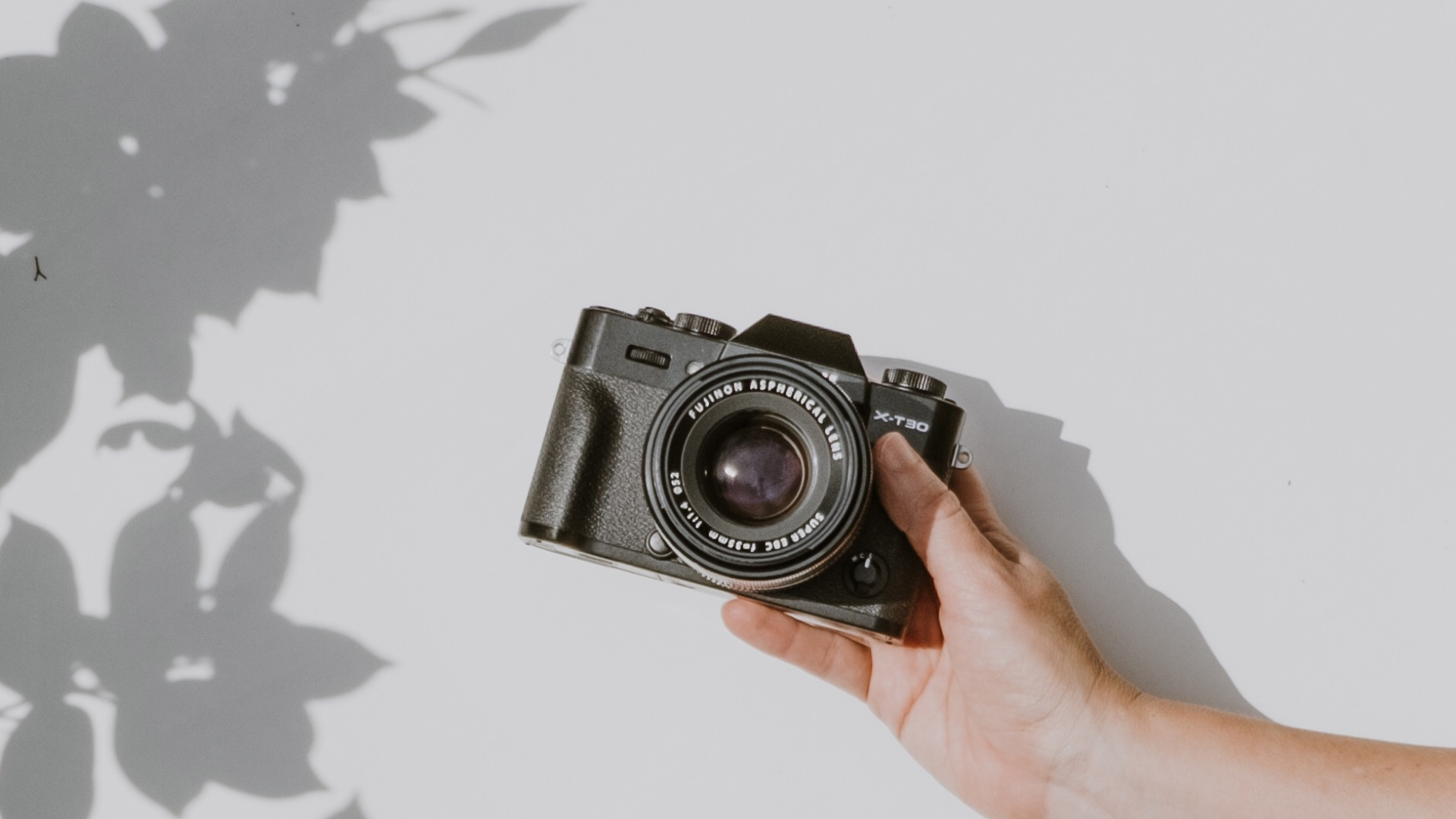
Once we have a map of our instincts, we start testing them deliberately. This is the stage where we systematically explore each element of photography, one at a time, so we can gather real data about what works for us rather than guessing.
Light
Spend a week focused exclusively on how light shapes an image. One day, look for hard, directional light that creates strong texture and contrast. Another day, seek out soft, diffused light near a window. Try golden hour and experiment with backlighting. The goal is to understand how different light creates different moods, so those choices eventually become second nature.
Composition
In the following period, shift focus entirely to framing. Spend one session shooting from very low angles and another finding high vantage points. Fill the frame entirely with subjects one day, and the next, search for vast negative space. These are deliberate constraints, and deliberate constraints are some of the most effective creativity tools available to us.
Color
A simple but surprisingly revealing exercise here is a single-color walk: pick one dominant color and spend an entire session capturing scenes where that color is the main presence. The results almost always look more cohesive than anything approached without constraints. It also sharpens our eye in ways that carry over into every future session.
Technique
This last pillar covers the camera settings that shape how motion and depth feel in an image. Slow shutter speeds for motion blur, wide open apertures to isolate a subject from a busy background, manual focus for more intentional framing. What is worth remembering here is that some of the most interesting stylistic discoveries come from accidents. Embracing imperfection during this stage is not just acceptable; it is the point.
Step 3: Forge Your Look in the Edit
Capturing the image is where we gather the raw ingredients. Editing is where we cook the meal. And this is where personal style becomes most tangible and transferable.
The first recommendation here is to resist downloading presets from other photographers, at least in the beginning. The purpose of this stage is to build our own visual language from scratch, not to borrow someone else's. Starting from a single image we love from the experimentation phase, we make small, deliberate choices.
Start with the tone curve. Do we prefer deep contrast, or a slightly faded, lifted shadow that gives a film-like quality? This single decision shapes the entire emotional register of an image. From there, move to the HSL or color panel. What is our relationship with color? Do we prefer desaturated, almost monochromatic tones? Do we pull greens toward yellow to warm up skin, or shift blues toward teal for a cooler, more cinematic feel?
Color grading, the process of painting shadows, midtones, and highlights with subtle hues, is one of the most powerful tools for arriving at a signature look. It is also what separates a technically correct edit from one that has a point of view.
Once a foundational edit feels right on a single image, apply it to ten or fifteen others. This stress test will immediately reveal what holds up across different scenes and what needs adjustment. Only after that process does it make sense to save the edit as a preset. And even then, a preset is not a one-click solution. It is a starting point, a set of decisions that already reflects our taste, from which we fine-tune for each specific image.
Step 4: Make It a Habit, Make It Your Voice
Style is not a destination. It is an ongoing evolution, and the final step is building the habits that allow it to keep developing. There are two practices worth committing to here.
The first is relentless practice. Our choices, what light we seek, how we frame a scene, how we approach color in the edit, become second nature only through repetition. There is no shortcut here. The camera starts to feel like an extension of our perspective when we use it consistently, not only when inspiration strikes.
The second is aggressive curation. A portfolio is a statement. If we want to be known for quiet, minimal landscapes, a chaotic event photo does not belong there, no matter how technically strong it is. Curating with intention means being willing to leave good work out if it does not align with the direction we are currently building toward.
A helpful mental model for this comes from how music artists manage album cycles. Take Tyler, the Creator as an example. When he releases an album, every visual element, his clothing, his creative output, the imagery around the project, all exists within a single coherent aesthetic universe. Once that cycle ends, he moves into a new one. The same idea applies here. We do not have to commit to one look forever. We commit to one direction for a season, build it with consistency, and then evolve.
Style should change as we grow. Being willing to abandon a look when it no longer feels honest is not inconsistency. It is integrity. The photographers whose work we admire most are not the ones who found a style and froze it. They are the ones who kept asking the same question: what do I actually want to say?
A Process Worth Trusting

Building a photographic style is not a matter of gear or talent. It is a matter of attention. Paying attention to what moves us, testing those instincts with deliberate experimentation, shaping them through the editing process, and then protecting them through consistent curation and practice.
The four steps outlined here are not a checklist to complete once. They are a cycle we return to as we grow. The mood board we build today will look different in a year. The preset we create this month will be replaced by one that feels more accurate. That is not failure. That is the process working exactly as it should.
There is one question worth sitting with after going through this: what is the one thing we have discovered about our own taste by looking at our favorite images? That single observation is often the seed that a recognizable, honest photographic style grows from.