30 Things They Don't Teach You About Photography
Most photography courses teach the exposure triangle, composition rules, and camera settings. But there's a massive gap between what gets taught in structured courses and what actually matters when we're out there creating images, building portfolios, and trying to make progress.
We've compiled 30 things that rarely get discussed in traditional photography education. Some will seem obvious once we say them. Others might challenge what we've been told. All of them matter if we're serious about growing as photographers.
The Gear Myths We Need to Unlearn
Let's start with the uncomfortable truth about equipment. Our camera doesn't matter as much as we think it does. Someone with a budget camera who truly understands light will consistently outperform anyone with expensive gear who doesn't grasp the fundamentals. The photography industry loves to sell us the idea that better gear equals better images, but that's just not how it works in practice.
Here's another one that stings: nobody cares about our gear except other photographers. Our family members don't know if we used a 50mm or an 85mm lens. They don't care about our camera body or which generation it is. They just know if the photo looks good or if it doesn't. We spend so much mental energy obsessing over equipment specifications that could be better spent actually learning to see and create.
But here's where it gets interesting. While the camera body matters less than we think, our lens is actually more important than the body itself. A great lens on an older camera body will outperform a mediocre lens on the latest flagship body every single time. The lens is what's actually creating the image. The camera body is just recording it.
The Technical Foundations That Actually Matter
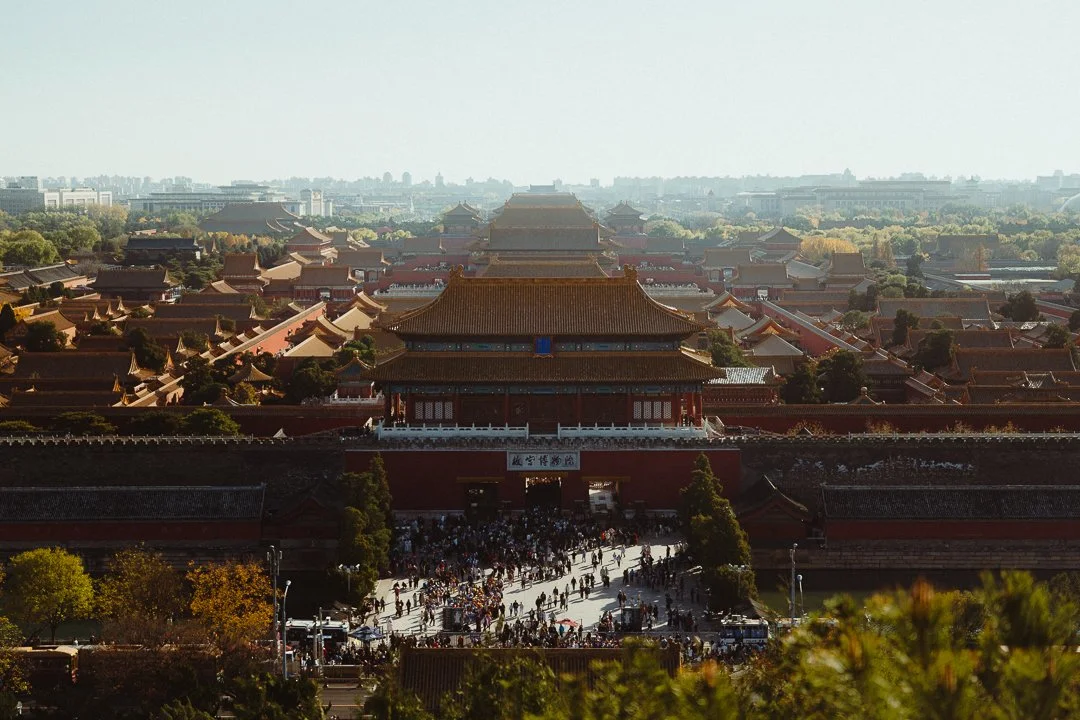
Editing is half the image, maybe more. The capture is just raw data waiting to be interpreted. If we're not spending serious time learning editing software, we're literally only doing half the work. This isn't about manipulation or being dishonest. This is about finishing what we started when we pressed the shutter.
Speaking of raw data, shooting in RAW format will save us countless times. JPEG throws away a significant chunk of image information, and some things become irrecoverable once that data is gone. RAW gives us flexibility and rescue options that JPEG simply cannot provide. If we're serious about our images, this isn't negotiable.
White balance matters less than most courses suggest. Getting it wrong in camera isn't the end of the world because if we're capturing RAW files, we can correct this in post-production. Don't spend excessive time stressing about white balance when there are more important factors to nail in the moment.
The histogram is more reliable than our screen will ever be. Camera screens lie to us based on brightness settings and viewing angles. The histogram tells us the mathematical truth about exposure. Learning to read it properly means we stop guessing and start knowing. The goal is simple: avoid clipping the highlights or crushing the shadows unless we're doing it intentionally for creative effect.
Here's a technical change that transformed how many of us work: back button focus changes the game entirely. Separating the focus function from the shutter button gives us more control and eliminates countless missed focus moments. It feels weird for about a week, then it becomes second nature. Look it up, set it up, thank us later.
Understanding Light and Composition

Natural light is free and absolutely gorgeous, but we need to understand how it works. Golden hour isn't just aesthetically pretty. It's soft, directional, and naturally flattering to almost any subject. Harsh noon light isn't inherently bad, it's just significantly harder to work with and requires more skill to manage effectively.
Flash isn't the enemy that many beginners believe it to be. Bad flash technique is the enemy. A single flash unit, used properly, can transform boring indoor photos into professional-looking images. The problem isn't the tool, it's how most people use it without understanding the principles.
Perspective is an absolute game changer that gets overlooked constantly. Getting low to the ground, climbing to a higher vantage point, or simply moving three feet to the left can completely transform a boring snapshot into something genuinely compelling. Try different lenses too. A fisheye can open up creative possibilities we didn't know existed.
Negative space is as important as the subject itself. We don't need to fill every pixel with information. Give the subject room to breathe. Give the viewer's eye somewhere to rest. Some of the most powerful images are mostly empty space with a single strong element.
The rule of thirds is a guideline, not an absolute law. This applies to every other photography rule, by the way. Learn the rules, use them until they become intuitive, then break them intentionally when the image calls for it. Some of the most striking images are perfectly centered or deliberately ignore traditional composition guidelines.
Building a Portfolio and Finding Our Voice
Our portfolio should showcase our best 20 images, not our last 200 images. Quality over quantity wins every single time. One killer shot that makes people stop scrolling beats a dozen mediocre ones that get skipped. Be ruthlessly selective about what represents us.
Consistency builds recognition in ways that variety never will. Whether it's a specific color grade, recurring subject matter, or distinctive shooting style, people follow photographers who have developed a distinct visual voice. This doesn't mean every image looks identical, but there should be a thread connecting our work.
Automatic mode is not cheating, especially when we're learning. It's actually a teaching tool if we use it correctly. Let the camera choose its settings, look at what it selected, then switch to manual mode and try to replicate those choices. This builds understanding much faster than random experimentation.
The Mental Game Nobody Talks About
Here's where things get real. Critique is not the same as criticism. Finding a community that provides honest, constructive feedback will accelerate our growth faster than any paid course. But we need to be ready to hear things we might not want to hear about our work.
Comparison is simultaneously poison and fuel. Looking at other photographers' work can inspire us to push harder or it can destroy our confidence entirely. The key is recognizing which one is happening in the moment and managing it before it becomes destructive. We need inspiration, but we also need to protect our creative energy.
Our first 10,000 photos will be bad. That's not pessimism, that's reality. And it's completely normal and expected. Mastery requires repetition. There's no shortcut around putting in the volume of work required to develop our eye and technical skills.
Photographic vision develops slower than technical skill, and this creates frustration. We can learn exposure settings in a week. Learning to consistently see interesting moments, quality of light, and compelling compositions takes significantly longer. This timing mismatch is where a lot of frustration lives.
Here's the one that hurts most: most people quit right before they get good. There's a gap between when we start and when our taste finally matches our skill level. That gap is brutal to live in. It's where most photographers give up entirely. Push through it. The breakthrough is closer than it feels.
The Professional Realities
Clients don't hire us for technical skills alone. They hire us because they trust we'll deliver what they need, when they need it. Reliability and communication skills beat raw talent in the professional world. Being good at photography is table stakes. Being dependable is what builds a career.
Backup our files or lose everything eventually. This isn't fearmongering, it's statistics. Not if our hard drive fails, but when it fails. Cloud backup, external drives, redundancy systems. This isn't optional if we care about our work. A solid workflow that includes automated backup saves us from devastating loss.
The best investment isn't gear, it's education. A 500 dollar course that teaches us how to work with light will improve our work more dramatically than a 500 dollar lens. Knowledge compounds in ways that equipment never will.
What Actually Makes a Good Photograph
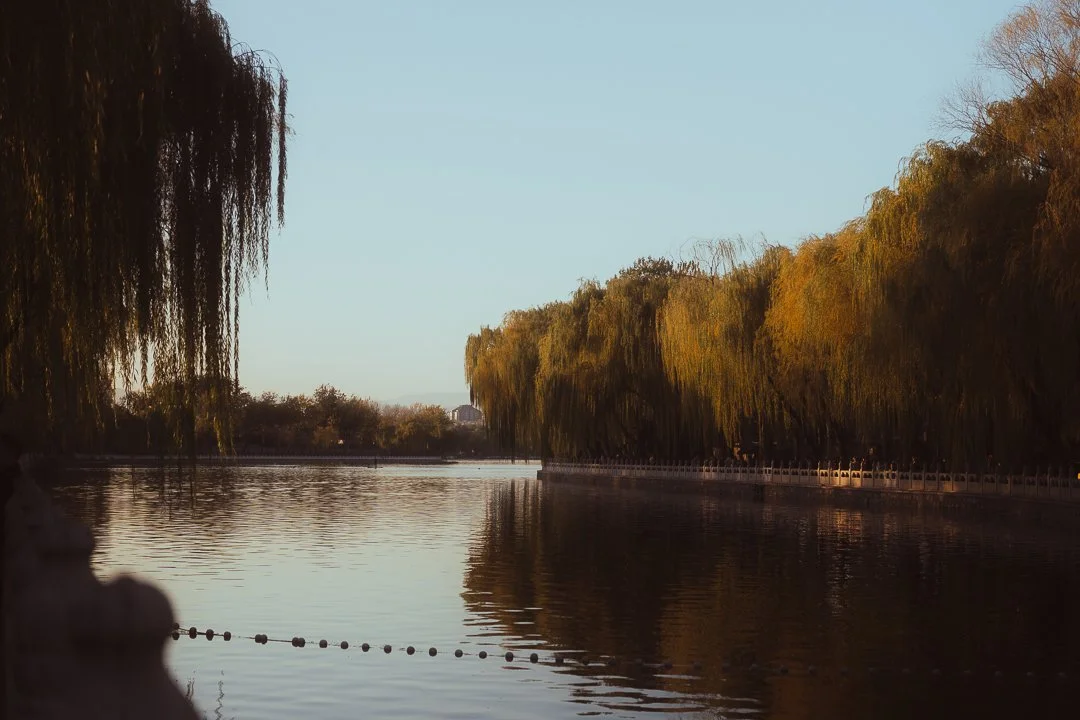
A good photo is about emotion, not technical perfection. A slightly soft image that captures a genuine, powerful moment beats a technically perfect image with no soul every single time. We can get so obsessed with sharpness and technical execution that we forget what actually moves people.
Practice doesn't make perfect. Practice makes permanent. If we're practicing bad habits repeatedly, we're just getting really good at doing things wrong. Intentional practice with regular feedback is what creates actual improvement. Mindless repetition just reinforces whatever we're already doing.
Growing and Evolving
Our style will evolve over time, and that's not just fine, it's necessary. What excites us now might bore us in two years. Don't box ourselves into a single aesthetic or subject matter forever. Growth requires experimentation and change. Give ourselves permission to evolve.
The best camera is genuinely the one we have with us. A missed moment with no camera loses to an imperfect capture with whatever we had available. Most of the time, that's our phone. Modern phone cameras are incredibly capable. The barrier to good photography has never been lower.
Ethics and Sustainability
Respect copyright and intellectual property always. Don't steal other photographers' work. Don't use music we don't have rights to. Don't copy someone's exact concept and call it inspiration. Be original or credit properly. The photography community is smaller than we think, and reputations matter.
Photography is supposed to be fun. If we've completely lost the joy in it, step back. Take a break. Try something completely different for a while. Most likely we'll come back to it with fresh perspective and new inspiration. Burnout is real, and protecting our mental health matters more than any content or project.
Moving Forward
These 30 truths cover everything from technical foundations to mental game to professional realities. Some challenged what we've been taught. Others confirmed what we suspected but nobody validated.
The gap between knowing these things and actually applying them is where the real work happens. Awareness creates possibility, but only consistent action creates results.
Take what resonates, ignore what doesn't, and keep creating. The path from beginner to skilled photographer isn't linear or quick, but it's absolutely worth walking. We're all figuring this out together, one frame at a time.